Puerto Pizarro
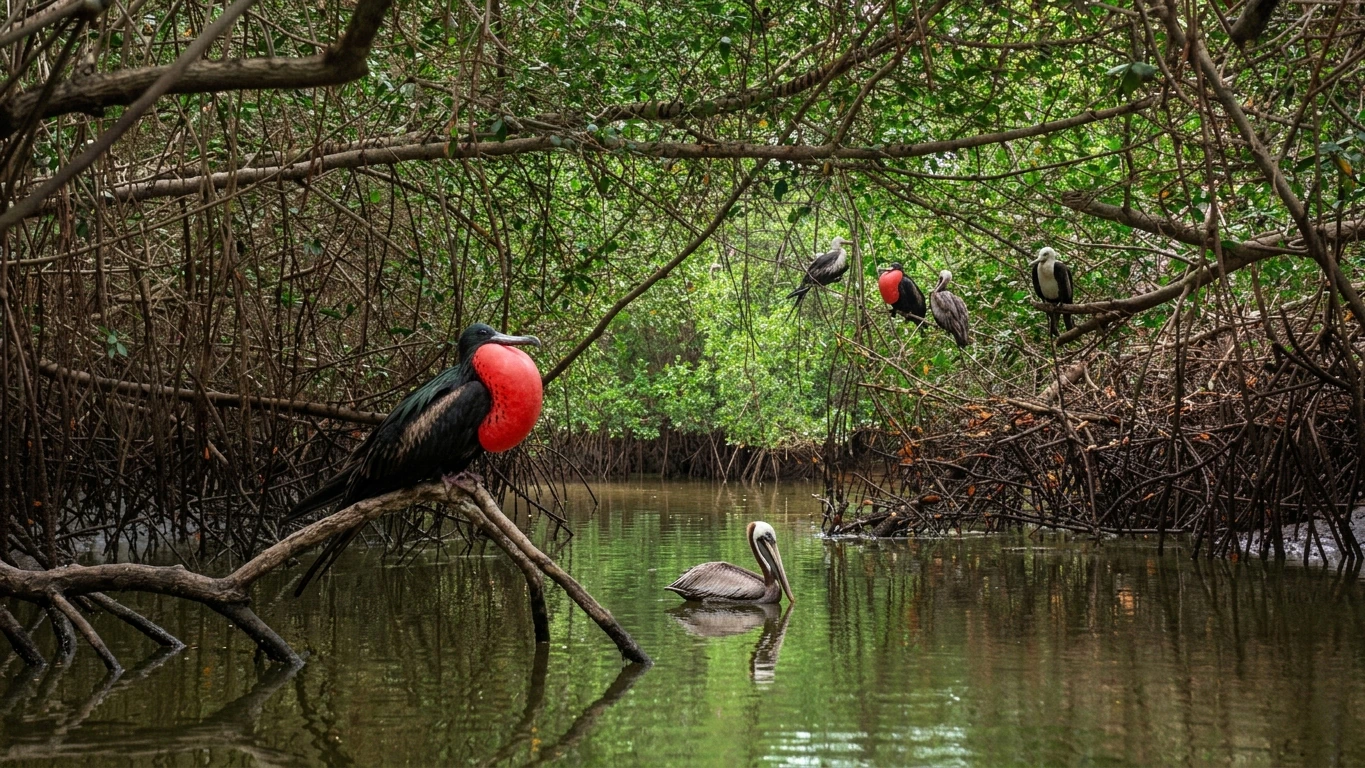
Puerto Pizarro Mangroves
Boat rides through channels and birdwatching.


Puerto Pizarro Mangroves
Boat rides through channels and birdwatching.
Explore by category
Recommended
Tourist attractionsBoat rides through channels and birdwatching.
 Hotels and lodging
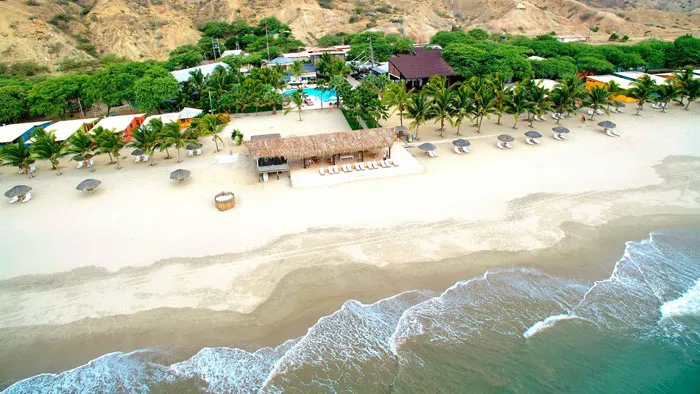
Beachfront, with pool and direct access to the sand.
 Tourist attractions
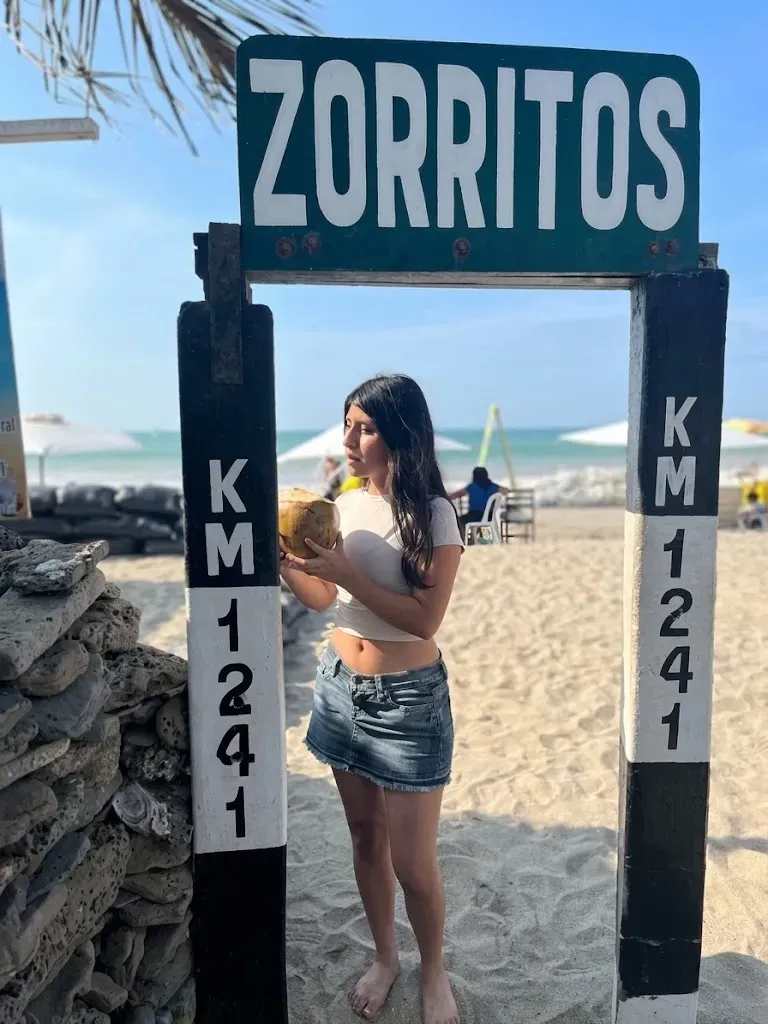
Golden sand and warm waters 30 minutes from the city.
 Activities and experiences
Lessons and board rentals facing the beach.
 Tourist attractions
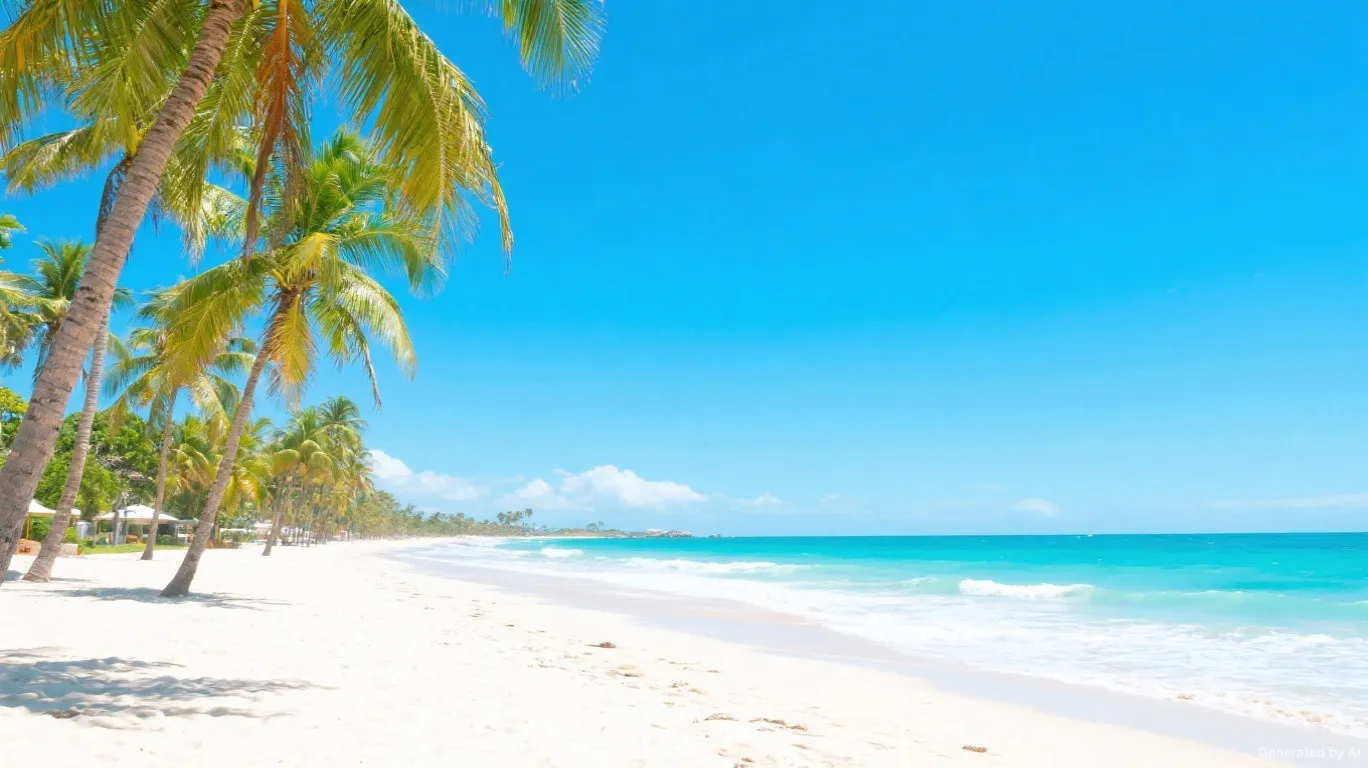
Crystal-clear waters in the far north of Peru.
Travel guide
Tumbes is the northernmost department of Peru: a strip of warm coastline that borders Ecuador and brings together white-sand beaches, mangroves, dry forests and one of the richest marine ecosystems in the country. Unlike much of the Peruvian coast, the sea stays warm for most of the year and the sun is out in almost every season, which makes the region an easy destination to visit at any time.
This guide covers what you need to plan a trip to Tumbes: when to go, how to get there, which beaches and natural areas are worth your time, what to eat and what to keep in mind before you set off. Each section is complemented by verified listings for places, restaurants, hotels, activities and events published on the site.
The climate in Tumbes is hot and tropical, with temperatures that rarely drop below 20 °C. From December to April the sky is clearer, the water reaches its most pleasant temperature and high season sets in, especially between January and March, when the heaviest coastal rain also falls.
From May to November the picture changes: there is more cloud and wind, the sea cools down and conditions are ideal for walking, water sports or watching humpback whales, which come close to the coast between July and October. Accommodation prices tend to be lower during those months.
Capitán FAP Pedro Canga Rodríguez airport receives flights from Lima in a little over an hour and a half. By land, the Panamericana Norte links Tumbes with Piura and the rest of the country; from Ecuador the usual crossing is the Aguas Verdes international bridge, opposite Huaquillas.
Within the region, taxis and shared shuttles cover the short trips: Tumbes city, Puerto Pizarro, Zorritos, Punta Sal and Cancas are well connected by the coastal road. Agree on the fare before getting in and book transport for night trips.
Zorritos is the beach closest to the city and works well for short getaways: wide sand, restaurants and a broad range of accommodation. Further south, Punta Sal combines a quiet cove with hotels and resorts, and is one of the favourite areas for swimming, diving and relaxing.
Cancas and Bocapán, closer to the border with Piura, offer a quieter atmosphere and waves appreciated by surfers. At nearly every beach it is worth checking the sea conditions and the safety flags before going in, especially outside high season.
The Los Manglares de Tumbes National Sanctuary is the only mangrove sanctuary in Peru and the main natural attraction in the region. Puerto Pizarro is the gateway: boat trips leave from its pier through the channels, with stops at the bird island and the Tumbes crocodile breeding centre.
Inland, Cerros de Amotape National Park and Tumbes National Reserve protect equatorial dry forest and are good spots for birdwatching. At sea, humpback whales and sea turtles can be spotted between July and October.
Tumbes cuisine revolves around fish and seafood. Ceviche made with black clams is the signature dish, alongside mangrove red crab, Puerto Pizarro prawns and rice with seafood. Stews and fried fish also appear on almost every menu.
The best places to try them are Puerto Pizarro, Zorritos and Tumbes city itself; in high season it is worth arriving early or booking, because restaurants fill up at midday. Pairing the meal with chicha morada or a coconut drink is part of the plan.
The Tumbes calendar mixes religious celebrations and civic dates. Holy Week and patron saint festivals, such as the Virgen del Perpetuo Socorro or the Señor de Chocán, bring out much of the population, and in July the anniversary of the Battle of Zarumilla is commemorated.
Throughout the year there are also Tumbes Tourist Week, the Ceviche Festival and food fairs in the different districts. Checking the agenda before travelling helps you adjust your itinerary and book accommodation in advance.
Carrying cash is useful in small beach towns and markets, where card terminals are not always available. Sunscreen, insect repellent, a hat and light clothing are essentials, and if you cross into Ecuador you should check the required documents and the opening hours of the border crossing.
In high season, book accommodation and transport weeks ahead. If your plan includes the mangroves or boat trips, check the day conditions at the pier and wear footwear that can get wet.
We collaborate with